12 Best Italian books to improve your language skills

One of the best ways to learn a new language certainly is to read books, watch movies and tv-shows, and listen to music in the language you’re approaching. So, do you want to improve your reading skills in Italian? Then you can do it by enjoying these Italian books to help you not only entertain yourself, but also practice your grammar and vocabulary by seeing the words on the page.

Therefore, here’s a list of twelve best Italian books that are a “must-read” to help you take your Italian skills to the next level. Some of them are advanced and not that easy to read, but don’t worry: you can start from the beginners ones and slow it down, but the journey through Italian literature will be captivating anyways!

1. Le Avventure di Pinocchio by Carlo Collodi (Beginner)
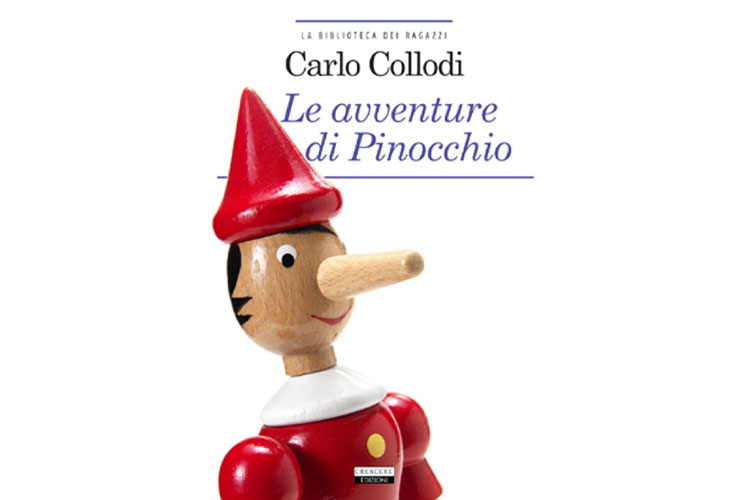
This is one of the most famous works of Italian children’s literature. Everyone’s perhaps well-acquainted with Disney’s movie version of the story, but the original is quite different from the one’s we’re used to.

Pinocchio is a wooden puppet who runs away from home. In order to get back to his father Geppetto, he embarks on a series of unpredictable adventures meeting a lot of strange people and creatures. In his journey, he will be aided by a generous fairy and by a talking cricket who gives him advice on what to choose between right and wrong.

Reading with side-by-side English and Italian text is a very helpful way to learn Italian at best: you will just need to look out at the next page to find the corresponding meaning of one word. That’s why this edition would be the most enjoyable way to read the tale.

You can get the book, the audiobook and the movie here:


2. Storie della buonanotte per bambine ribelli: 100 vite di donne straordinarie by Elena Favilli and Francesca Cavallo (Beginner)
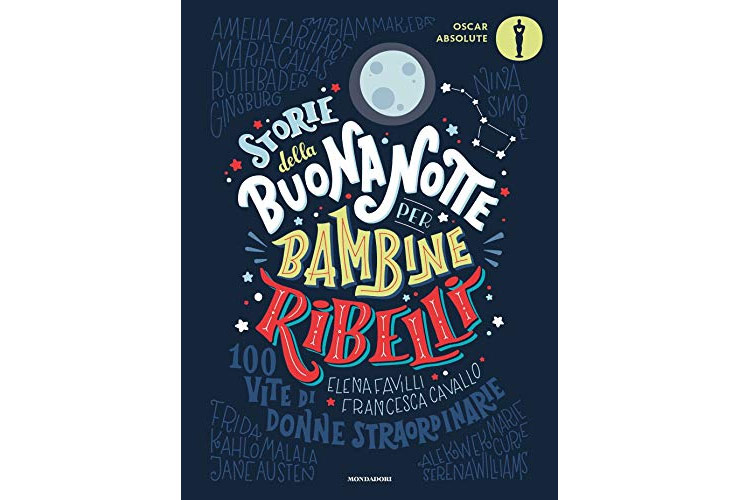
Although this book has already been translated into many different languages, the two authors are indeed Italian. This offers you the opportunity to learn, experience and be inspired by the lives of many women who had a great and world-changing impact. From Frida Kahlo to Rita Levi Montalcini, each page is a portrait of a strong female figure that made history.

Moreover, this work is intended for children: they are goodnight stories written in a plain, simple structure that could be very helpful in learning Italian.

You can find it here:


3. Adriano, il Cane di Pompei by Matthew Frederick (Beginner)
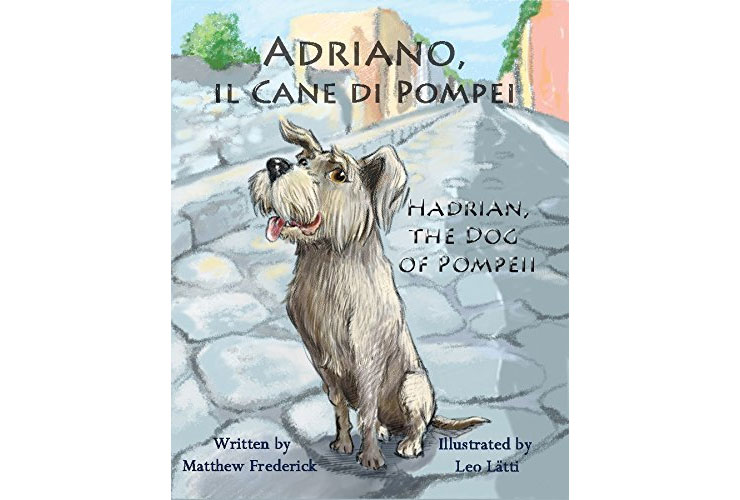
This is one of the best italian books to learn Italian. It is very simple: It’s written using plain grammar and basic sentences which will surely help you go through the story of Adriano, a lovable special dog that lives in the ancient city of Pompeii. Among famous ruins and friendly visitors, it follows the adventures of Hadrian that is often fed by the kindness of the tourists.

Even though intended for children, this work is perhaps the best I recommend to improve your language skills, as the Italian text is sided with the English translation on every page. This could be entertaining and a fun tool to also discover more about historical details of the famous classical city, giving you a sneak peek of the past.

In addition, the illustrations drawn by Leo Lätti literally bring Hadrian the Dog to life and guide you through the exciting travel of the ones who visit Pompeii together with the main character. Many are the subjects mentioned and explored: history, archeology and geography above all.

Buy it here:


4. Io Non Ho Paura by Niccolò Ammaniti (Beginner)
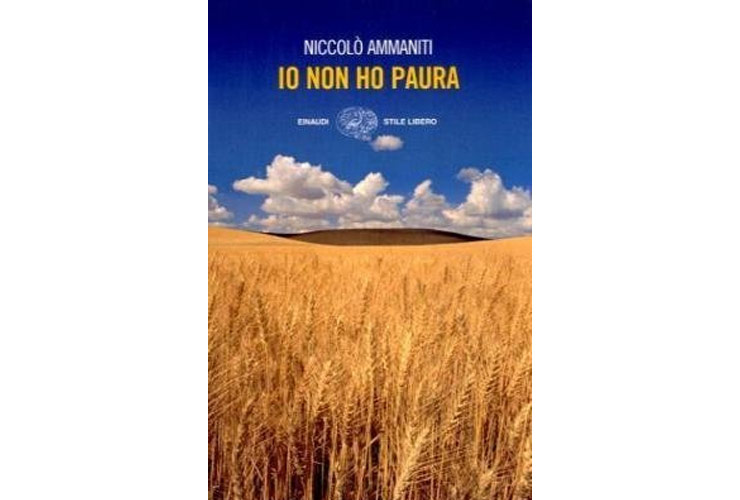
Meaning “I’m Not Scared”, this book talks about Michele, a 9-year-old child who accidentally discovers a horrible crime while paying penance after a game with his five friends. The story is set in 1978 during the “Years of Lead” – a time of political violence and terrorism in the country – in a fictional rural village in Southern Italy (probably in Basilicata). The plot is quite linear, the vocabulary is basic enough to understand and the narrative is also breathtaking and suspenseful. You will want to read it until the last line, especially if you are into unsettling thrillers.

Besides, when you’re finished you can always watch the movie adaptation released in 2003 by the director Gabriele Salvatores: fine photography and great cast.

Here is the book:


5. Il Barone Rampante by Italo Calvino (Beginner/Intermediate)
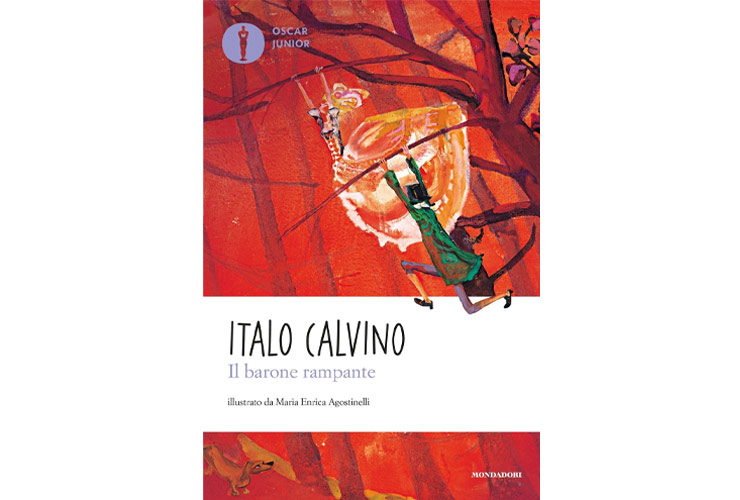
Calvino is one of the best Italian authors of all time. His novels should be all listed here, but if I must choose one, Il Barone Rampante is perhaps the most fascinating. Set in 18th-century Italy, the story follows Cosimo, a young noble boy who climbs into a tree and refuses to get down to rebel against his parents. He eventually decides to stick in there and lead his life up in the branches, far away from the bad influence of his family and society. The tale is full of humor and adventurous passages, giving a fantastical shade to the whole trilogy where this book is included.

So, I recommend reading also I Nostri Antenati, a series of three novels which explores the relationship between the self and the society in different historical time periods.

If you prefer to listen to “Il barone rampante”, you can buy the audiobook here:


6. Novecento by Alessandro Baricco (Intermediate)
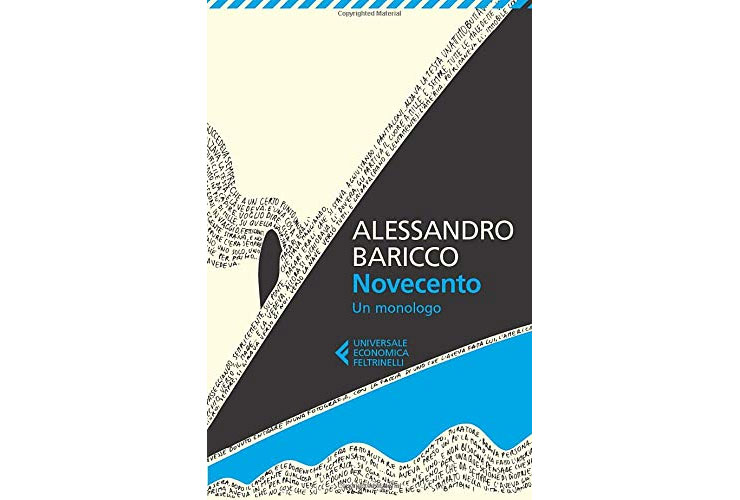
Novecento means “Nine Hundred”, and is a one-act theatrical monologue. This is one of the best Italian books you can read as intermediate learner. Baricco is an Italian contemporary author who has written one of the best books spreadly read in the country. Novecento tells the story of a young boy abandoned on a cruise ship and later adopted by the sailors. He never leaves this microcosm of the ship and suddenly becomes a genius pianist. The writing is easy to follow, which makes it suitable for an intermediate learner.

Thus, the plot is linear and it’s not that difficult to relate to the characters. After having enjoyed the reading, you can also dive into cinema as a 1998 movie version of the story has been released – directed by the Italian film director Giuseppe Tornatore.

You can find it here:


7. La Solitudine dei Numeri Primi by Paolo Giordano (Intermediate)
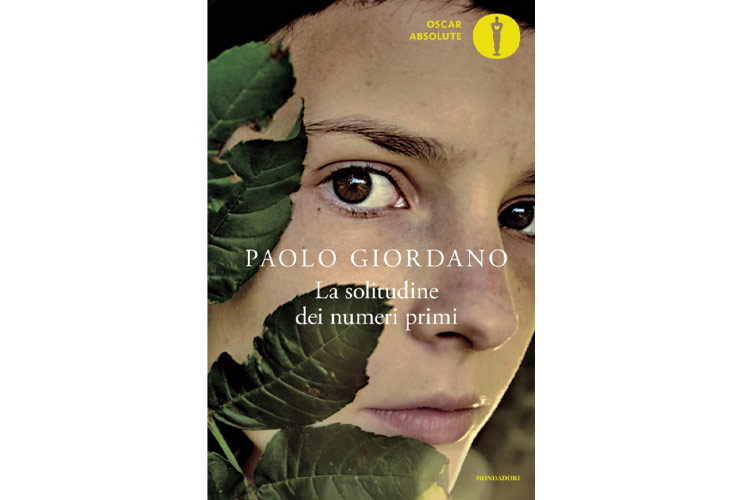
Paolo Giordano was the youngest Italian author to get the Strega Prize for literature. That’s why his masterpiece has become a must-read, especially amongst teenagers and young adults. It tells the story of the relationship between Alice and Mattia, who met in the charming city of Turin in northern Italy during their high school times. Mattia is a very brilliant boy who has a twin sister suffering from intellectual disability, while Alice became lame after a skiing injury. Through the years, they eventually grow up experiencing continuous encounters and separations.

Contrary to what one might expect, this is not a simple love story between two people, but the novel explores their lives as two “prime numbers” that won’t ever get closer for real. The movie by Saverio Costanzo stars Luca Marinelli, one of the most talented Italian actors of these days. Worth a watch after finishing the book!

Here you can buy the book:


8. Il Nome della Rosa by Umberto Eco (Intermediate)
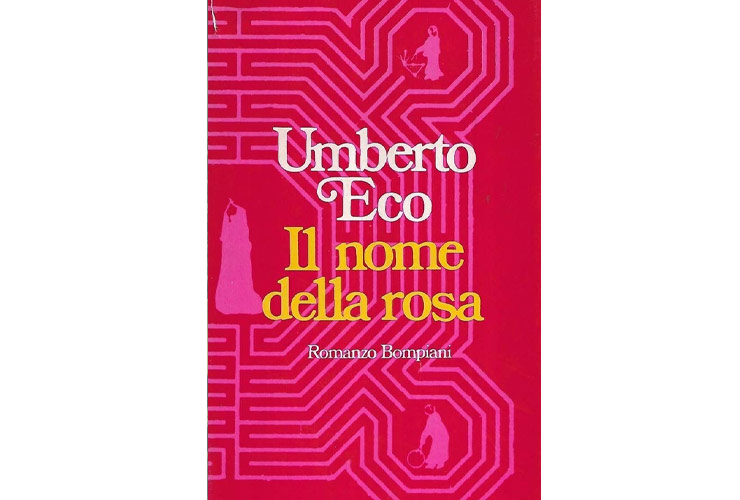
This Italian novel is by far one of the most popular all over the world. It has been translated into many languages and also adapted for stage, television and cinema – with the movie by Jean-Jacques Annaud starring Sean Connery. The mysterious atmosphere set in the gloomy medieval period within the walls of a monastery in northern Italy brings charm to the reader. The evocative flavor of the descriptions and the narrative of secrets surrounding a murder will surely keep you glued to the pages.

Indeed, Umberto Eco is still one of the most-read Italian authors today. His works are full of classic and ancient references. So if history is your favorite subject, you must give it a shot!

You can buy it here:


9. L’Amica Geniale by Elena Ferrante (Advanced)
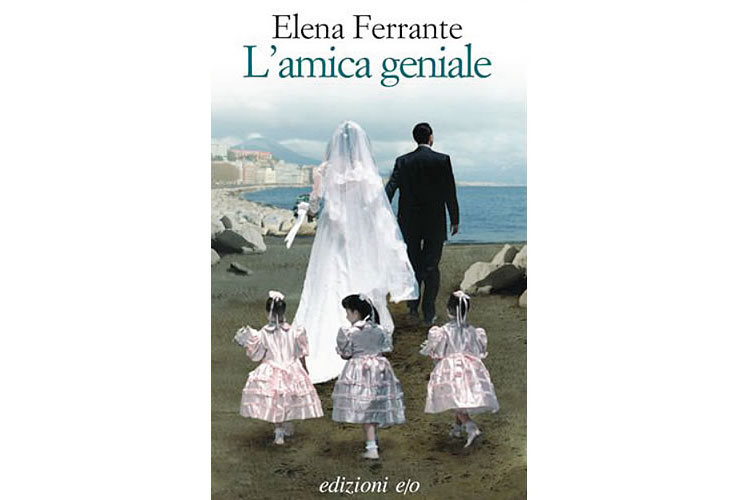
Elena Ferrante is actually a pseudonym of this female author, who has given life and light to the Neapolitan outskirts in her coming-of-age novel called My Brilliant Friend. The book is the first of a series of four novels and follows the story of Lila and Lenù, two girls who were born and raised in the poorest boroughs of Naples, through misery and violence. They grow up together page by page from childhood to their 60s, sharing a complex relationship characterized by envy, competition but also a lot of love and support. The setting is really peculiar as the main characters live in a specific region of Italy.

This could be one of the best Italian book for you, because reading this novel could be a challenge in vocabulary – rich in idiomatic expression – to face when your Italian skills are practiced enough to be more advanced. And the two-seasons tv show has been created by Saverio Costanzo – the same director of La Solitudine dei Numeri Primi mentioned above.

You can buy the book “L’amica geniale”, or the four novels together here:


10. Gomorra by Roberto Saviano (Advanced)
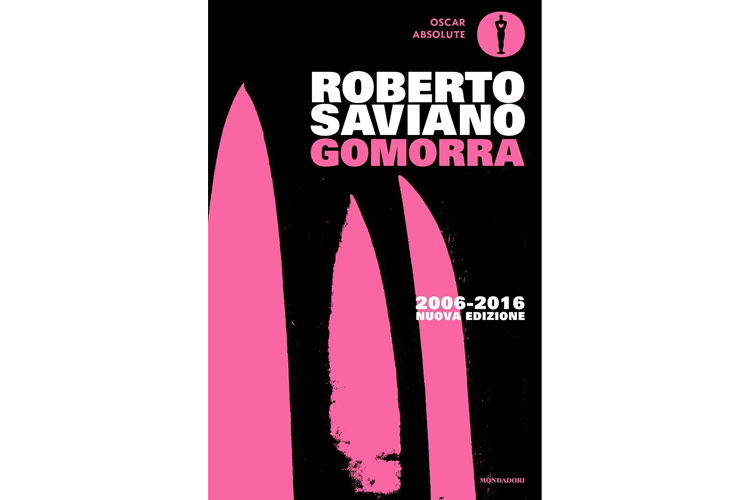
This book is intended by Saviano to reveal the plots and the secrets hidden behind the Italian criminal organization that mainly operates in Campania, known as Camorra. The novel will throw you into the discovery of a dark, shady world.

For sure, that was not easy for the author, who has been living under constant security since the release of his work. That’s because he has probably become one target of the organization, whose illicit businesses were obviously exposed.

The work has become a major international bestseller amongst the best Italian books for its groundbreaking perspective and potentially dangerous purpose. They made a movie and a tv series out of it, which also involve a lot of challenging expressions to learn in Neapolitan dialect.


11. La forma dell’Acqua by Andrea Camilleri (Advanced)
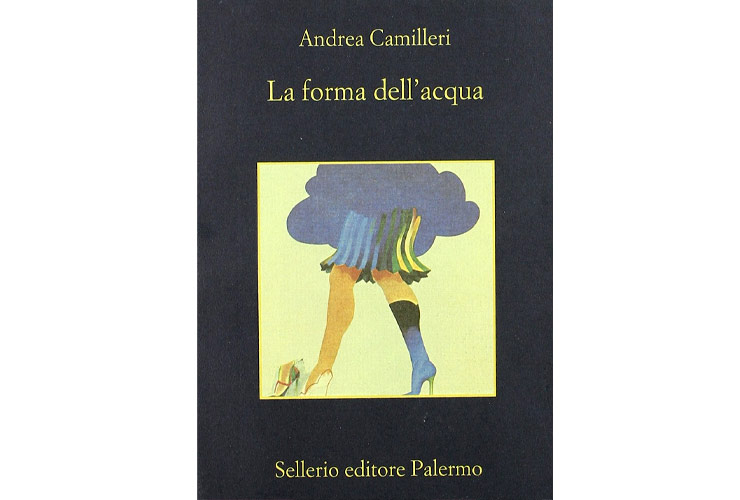
It must not be confused with other novels with the same title, but here’s a giallo (thriller) that opened up the famous series of Inspector Montalbano in 1994. Created by Andrea Camilleri, the plot follows the steps of Montalbano as he investigates mysteries in the fictional town of Vigata set in Sicily. The detective born with Camilleri’s pen is an iconic figure, smart and sagacious. Amazing settings and suspense are the most powerful elements of this book, as well as of the other volumes of the saga.

Though written in standard Italian, there are also little sprinkles of Sicilian dialect and grammar that give a regional flavor to all the novels in the series. The tales of Montalbano are very popular in Italy and inspired multiple tv shows and movies.

You can buy “La forma dell’acqua” here:


12. In altre parole by Jhumpa Lahiri (All Levels)

This English-speaking author decided to abandon her native language focusing on narrative writing in Italian because of her boundless love for Italy and its culture. She visited Florence for the first time when she had just graduated from college, experiencing an immediate connection with the Italian language all of a sudden.

She eventually moved to Rome with all her family to start a new life full of enthusiasm and adventures, but also of troubles and estrangement. Jhumpa Lahiri’s work is the most direct witness of a tenacious path in learning Italian and being able to write a whole book with fluency gained throughout the pages.

Therefore, it’s a very precious tool to follow the lines and enter an unexplored territory such as a new language with a fascinating spirit. This is a must whether you’re an advanced Italian learner or not and one of the best Italian books in contemporary times.

You can buy “In altre parole” here:


How to read in Italian

Reading in Italian could be difficult, but here’s a very useful tip to remember: don’t forget to mix up extensive and intensive reading. The first is intended to gain the general meaning of what is going on, without stop reading to check out vocabulary. Instead, intensive reading is meant to focus on each word to understand every single element of the text. Both are a stimulating exercise for your brain.

Read the same book more than once

Furthermore, reading the same book more than once supports you getting into linguistic schemes. Entertain yourself with these titles and once you’re done with them, don’t put them away forever but go back to read them again for a second or even a third time. That’s how you will retain your vocabulary and fix grammar patterns.

So, these are some of the best Italian books to give you a hand in learning and improving your language skills, as well as to have fun while doing it.

Don’t underestimate reading at any level, as it helps you to naturally absorb things like the use of prepositions or the correct order of the sentences.

Buona lettura!

Passato Prossimo Vs Imperfetto – Italian Past Tenses

One of the most frequent problems English speakers have when studying Italian is choosing between Passato Prossimo vs Imperfetto.

Passato Prossimo and Imperfetto are Italian Past Tenses used to talk about something that happened in the past, but they have different uses and purposes. Passato prossimo is made by the verb avere or essere in the present tense plus the past participle and it is used to indicate past events that happened once, but still have effects on the present. Imperfetto is formed dropping the -re of the infinitive and adding -vo, -vi, -va, -vamo, -vate, -vano and it is used to talk about past habits or repetitive actions that are no longer happening.

As you can see it is not very difficult to understand. In this article, we will focus on the main differences existing between these two tenses and when to use them in the right context. In particular we will see:

  1. One time vs Habit
  2. Description of the conditions and states
  3. Duration of the past actions
  4. Parallel Actions
  5. Interrupted Actions
  6. Storytelling
  7. Time Expressions

But, first, let’s quickly refresh the forms of these two tenses:

Passato Prossimo

Passato prossimo is made by the verb avere or essere in the present tense plus the past participle. You obtain the  past participle by changing the final endings of the infinitive form, in this way:

-are → -ato,

-ere → -uto,

-ire → -ito.

Remember that when you use the auxiliary essere, you need to change the final endings according to the subject.

Examples:

Ho mangiato una torta buonissima.
I ate a very good cake.

Siamo andati in palestra.
We went to the gym.

Imperfetto

Imperfetto is easy in its formation. You drop -re of the infinitive and simply add -vo, -vi, -va, -vamo, -vate, -vano.

Examples:

Da piccola mangiavo tante caramelle.
When I was little, I used to eat a lot of candy.

Non dormiva mai quando la bambina piangeva.
She never slept when the baby cried.

Passato Prossimo Vs Imperfetto – Common Uses

In order to understand the main differences between the Passato Prossimo and the Imperfetto, I’m going to show you some of the most common uses of the two tenses in everyday life, compared to each other and explained through various examples.

Before proceeding, I also suggest you some useful books you can use to repeat Italian Grammar and Italian Tenses:

1. Passato Prossimo Vs Imperfetto – One time vs habit

We use the Imperfetto to talk about past habits or repetitive actions that are no longer happening. On the contrary, the Passato Prossimo is required when you want to indicate past events that happened once, but still have effects on the present. Look at the following examples.

Examples:

Imperfetto Passato Prossimo
Da bambina andavo in piscina due volte a settimana.
When I was a child, I used to go to the swimming pool twice a week.
La scorsa settimana sono andata in piscina.
Last week I went to the swimming pool. 
Dopo ogni viaggio gli portava sempre un souvenir.
After each trip he always used to bring him a gift.
Antonio mi ha portato un souvenir dal Canada.
Antonio brought me a gift from Canada.
Mangiava tanto perché si annoiava.
He was eating a lot because he was getting bored.  
L’altro giorno ha mangiato tanto e si è sentito male.
The other day he ate a lot and he got sick.

As you can see, it’s not very complicated! Let’s see other examples:

Mio padre mi portava con sé in ufficio ogni volta che poteva.
My father used to take me with him to his office every time he could.  
Ieri mattina mio padre mi ha portato con sé in ufficio.
Yesterday morning my father took me with him to his office.  
Da piccolo io e i miei parenti ci riunivamo a Natale.
When I was young, my relatives and I used to meet on Christmas.  
Un anno fa io e i miei parenti ci siamo riuniti a Natale.
One year ago my relatives and I met on Christmas.  
A volte tornava dalla Sicilia con un vassoio di cannoli.
Sometimes, he used to come back from Sicily with a tray of cannoli.
Il mese scorso è tornato dalla Sicilia con un vassoio di cannoli.
Last month he came back from Sicily with a tray of cannoli.

2. Passato Prossimo Vs Imperfetto – Description of conditions and states

Passato Prossimo Vs Imperfetto - Italian Past Tenses

Also, we need to look at the typology of the description you provide when speaking about past conditions and states. Specifically, we employ the Imperfetto to describe the weather and physical or emotional states in the past. On the contrary, we apply the Passato Prossimo to point out physical and mental changes happened in a specific moment in the past, as events.

Examples:

Imperfetto Passato Prossimo
Era una giornata fredda e nuvolosa.
It was a cold and cloudy day.
Oggi ha piovuto e non sono potuto andare al parco.
Today it rained so I didn’t manage to go to the park.
Dopo la caduta sentiva dolore alla caviglia.
After falling down, he felt pain in his ankle.   
Ha sentito dolore quando si è fatto male alla caviglia.
He was in pain when he hurt his ankle. 
Mi innervosiva il suo atteggiamento sfacciato.
His brush attitude made me nervous.
Mi ha davvero innervosito il suo modo di fare.
His way of acting really made me nervous.

3. Passato Prossimo Vs Imperfetto – Duration of past actions

Passato Prossimo Vs Imperfetto - Italian Past Tenses

In the third place, we focus on the duration of past actions . According to this principle, we resort to the Imperfetto when we relate to past actions or events whose start and end are basically unclear. Otherwise, we need the Passato Prossimo in case of past facts that started and ended at a specific point in time.

Examples:

Imperfetto Passato Prossimo
Andava in Europa, più precisamente in Portogallo.
He was flying to Europe, more precisely to Portugal.
Sei anni fa sono andato in Europa, più precisamente in Portogallo.
Six years ago, I flew to Europe, more precisely to Portugal.  
Beveva con gli amici in un locale vicino la stazione.
He was drinking with his friends in a pub next to the station.
Ieri sera è andato a bere con gli amici.
Yesterday evening he went out for a drink with his friends.
Il fratello di Andrea veniva a trovarmi ogni volta che poteva.
Andrea’s brother used to come to visit me every time he could.
L’altro ieri mi è venuto a trovare il fratello di Andrea.
The day before yesterday, Andrea’s brother came to visit me.

4. Passato Prossimo Vs Imperfetto – Parallel Actions 

Generally, we use the Imperfetto to mention concurrent events, meaning facts that happened in the same moment or period of time in the past.

Instead, we apply the Passato Prossimo in case of actions in succession whose duration or moment of occurance in the past are not so relevant.

Examples:

Imperfetto Passato Prossimo
Mentre pranzava, mio madre guardava “Un posto al sole”.
While having lunch, my mother was watching “Un posto al sole”.
Mia madre ha pranzato e poi ha guardato “Un posto al sole”.
My mother had lunch and then watched “Un posto al sole”.
All’università studiava e lavorava in un ristorante per pagarsi gli studi.
When she was at university, she used to study and work in a restaurant to pay her istruction.
Dopo l’università, si è laureata e in seguito ha trovato lavoro in uno studio medico.
After university, she graduated and later found a job in a doctor’s office.  
Lidia ascoltava “Resta in ascolto” di Laura Pausini, mentre pelava le patate.
Lidia was listening to “Resta in ascolto” by Laura Pausini, while peeling potatoes.   
Lidia ha pelato prima le patate e poi dopo ha ascoltato “Resta in ascolto” di Laura Pausini.
Firstly, Lidia peeled potatoes; after that she listened to “Resta in ascolto” by Laura Pausini.

5. Passato Prossimo Vs Imperfetto – Interrupted actions

Passato Prossimo Vs Imperfetto - Italian Past Tenses

There are some occasions where we require both the Imperfetto and the Passato Prossimo in a sentence built in the past. For this reason, we make reference to actions interrupted by others, namely reporting what we were doing when something occurred and interrupted what we were doing. In this specific case, you can find the presence of quando (when) and mentre (while).

Examples:

Facevamo i compiti quando improvvisamente sono ritornati i nostri genitori.
We were doing our homework when suddenly our parents came back home.

Mentre mi preparavo per la scuola, mi ha chiamato Paolo.
While I was getting ready for school, Paolo called me.

Quando Maria viveva in Spagna, ha visitato sia Barcellona sia Madrid.
When Maria lived in Spain, she visited both Barcelona and Madrid.   

6. Passato Prossimo Vs Imperfetto – Storytelling

Finally, we find the last difference regarding the act of reporting something in a consequential way. Actually, you are asked to employ the Imperfetto to give information about the background, like the location or the context where the event takes place.  On the contrary, you make use of Passato Prossimo to let the story proceed onwards. 

Examples:

Imperfetto Passato Prossimo
I bambini facevano il bagno in piscina e i genitori prendevano il sole.
Kids were taking a swim in the pool, while their parents were sunbathing.
Stamattina in spiaggia i bambini hanno fatto il bagno in piscina e i genitori hanno preso il sole.
This morning kids have taken a swim in the pool, while their parents have sunbathed.
Continuamente mi diceva che gli avrebbe parlato di quella faccenda quanto prima.
He was continually telling me he would talk to him about that matter as soon as possible.  
Mi ha detto che gli avrebbe parlato di quella faccenda quanto prima.
He told me he would talk to him about that matter as soon as possible.
Nel bosco di solito si imbatteva in cerbiatti e conigli.
In the woods he usually used to bump into fawns and rabbits.
Andando nel bosco, si è imbattuto in cerbiatti e conigli.
Going into the woods, he bumped into fawns and rabbits.  

7. Passato Prossimo Vs Imperfetto – Time expressions

Passato Prossimo Vs Imperfetto - Italian Past Tenses

Another way to distinguish cases where the Imperfetto is employed from situations where the Passato Prossimo is applied is by looking at time expressions. These ones are normally used to give more information about the type of action existing in the sentence in order to provide help when you are asked to choose between the two tenses.

Time expressions used with the Imperfetto

da piccolo / giovane (when I was a child / young )
sempre (always)
tutti i giorni / ogni giorno (every day)
mentre (while)
spesso (often)
continuamente (continually)
a volte (sometimes)
normalmente (normally)
solitamente (usually)
ogni volta che (every time that)
ogni tanto (once in a while)

Time expressions used with the Passato Prossimo

Passato Prossimo Vs Imperfetto - Italian Past Tenses
ieri (yesterday)
ieri mattina / ieri pomeriggio / ieri sera (yesterday morning) / (yesterday afternoon) / (last night)
l’altro ieri (the day before yesterday)
due giorni fa (two days ago)
una settimana fa (one week ago)
mercoledì scorso (last Wednesday)
un anno fa (one year ago)
Il mese scorso (last month)
l’anno scorso (last year)
un’ora fa / alcuni giorni fa (one hour ago) / (some days ago)

Examples:

Imperfetto Passato Prossimo
Da piccolo giocava a scacchi con gli amici della chiesa.
When he was a child, he used to play chess with his friends from the church.
L’anno scorso ha giocato a scacchi con gli amici della parrocchia.
Last year he played chess with his friends from the church.  
Normalmente usciva nel weekend, non in settimana.
He normally used to go out on the weekend, not during the week.
Mercoledì scorso è uscito nel weekend, non in settimana.
Last Wednesday he went out on the weekend, not during the week. 
Tutti i giorni le regalava un cioccolatino per dimostrarle il suo affetto.
Every day he used to give her a chocolate as a present to prove that he was fond of her.
Alcuni giorni fa le ha regalato un cioccolatino per dimostrarle il suo affetto.
Some days ago he gave her a chocolate as a present to prove that he was fond of her.

Wrapping Up

After reading this article until the end, you should be able to understand when to use the Imperfetto or the Passato Prossimo according to the cases and tricks mentioned above. What you are suggested to do first is to look for time expressions in the Italian sentence you are about to translate. These indicators make you understand which tense is required in that specific context or situation.

Second, you can analyse the type of event that occured in the past, mostly focusing on the certainty or uncertainty related to the time of action.

Now that you have this further information, start speaking about events in the past in Italian and do not forget to make the best choice!