Seasons in Italian – What to Know about Seasons in Italy
Seasons in Italian – basic notions
If you want to learn Seasons in Italian, you should start from the beginning.
Firstly, the Italian word for “season” is stagione, plural stagioni. Many language experts believe that “season” and “stagione” have the same etymological origin in the Latin verb serere, “to sow”. Especially in ancient times, farming and agricultural activities were central in the calendar, or – to say it in Italian – in the calendario.
Seasons in Italian correspond to American and English ones, and that’s quite obvious!
|
Autunno |
Autumn/ Fall |
|
Inverno |
Winter |
|
Primavera |
Spring |
|
Estate |
Summer |
Italian Season Adjectives
There are also four adjectives related to Seasons in Italian:
|
Autunnale |
something related to Fall – autumnal |
|
Invernale |
something related to Winter – wintry |
|
Primaverile |
something related to Spring – springy |
|
Estivo |
something related to Summer – summery |
Keep in mind that in Italian articles, pronouns, adjectives, and determiners in general, all change with the gender. Autunno and inverno are masculine. Primavera and estate are feminine. The term stagione itself is feminine.
If you are in need, you can find here more information about Italian indefinite articles, Italian definite articles and Italian demonstrative adjectives.
Months in Italian – I Mesi
|
Gennaio |
January |
|
Febbraio |
February |
|
Marzo |
March |
|
Aprile |
April |
|
Maggio |
May |
|
Giugno |
June |
|
Luglio |
July |
|
Agosto |
August |
|
Settembre |
September |
|
Ottobre |
October |
|
Novembre |
November |
|
Dicembre |
December |
How to chat about seasons in Italian
Now you are ready for some time expressions related to Seasons in Italian:
|
In che stagione siamo? |
Which season are we in? / In which season are we? |
|
Siamo in estate |
We are in summer |
|
Quando inizia l’estate? |
When does summer start? |
|
L’estate inizia il 20/21 Giugno |
Summer starts on the 20/21 of June |
|
Quando finisce l’autunno? |
When does fall end? |
|
L’autunno finisce il 21 dicembre |
Fall ends on the 21 of December |
|
Siamo in autunno |
It’s autumn |
|
L’inverno sta arrivando (Italian gerund) |
Winter is coming |
|
La primavera è arrivata |
Spring is here / Spring has arrived |
|
Quale è la tua stagione preferita? |
What’s your favorite season? |
|
La mia stagione preferita è l’inverno |
Winter is my favorite season |
|
Amo la primavera |
I love spring |
|
Non mi piace l’autunno |
I don’t like autumn |
|
Odio l’estate |
I hate summer |
|
Sto aspettando l’estate |
I’m waiting for the summer |
|
Quest’anno l’estate è in ritardo |
Summer is late this year / It’s a late summer |
|
Quest’anno l’inverno è in anticipo |
Winter is early this year / It’s an early winter |
|
La primavera è lontana |
Spring is far away |
|
L’autunno è vicino |
Autumns is near / Autumn is getting closer |
As you can see, Seasons in Italian are strictly related to weather. Thus, we recommend reading this article about the Italian climate and Italian climate vocabulary/expressions before going forward!
What do you need to know about Seasons in Italy
Every Seasons in Italian Country has its own temper. For this reason, you can enjoy this diversity to the fullest visiting Italy in distinct times of the year: in fact, one of the best and most appreciated things about Italy is the weather.
Nonetheless, there is still a cliché about Italian seasons and weather: when tourists and visitors think about the Italian climate, they usually imagine neverending sunbathing, melted ice cream, barefoot people in the fountains, etc. But it’s not simply like this! In fact, we have cold winters, mainly in the mountains, cool autumns, sweet rainy springs, and hot fantastic summers.
When it comes to speaking about Season in Italian, be prepared to use terms and expressions that concern weather, holidays, temperatures, and clothes.
And remember: Italian people love chatting and joking about the weather!
Here for you a funny filastrocca (nursery rhyme) about Seasons in Italian, try to understand the meaning!
Seasons in Italy – Everything to know
So the same Seasons in Italian Country can have different characteristics from place to place! However, on average Italy has a very good climate in comparison to other countries: the well-known nickname “paese del sole” (country of the sun) it’s not chosen by chance.
Winter in Italy – Inverno
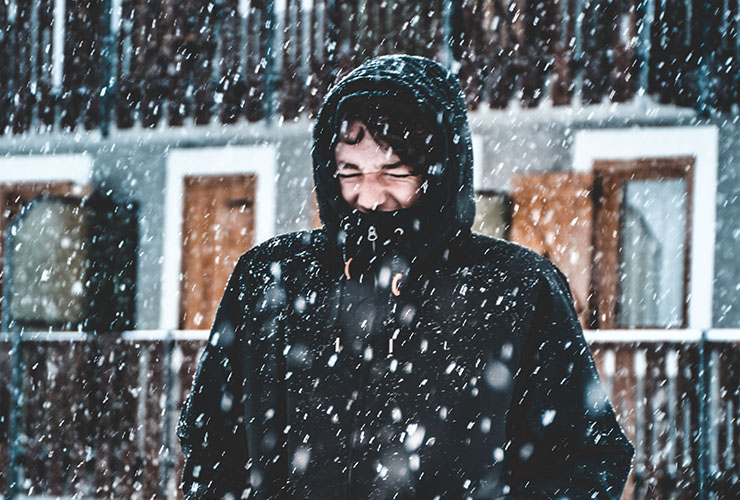
The Italian winter is cold almost everywhere in the peninsula. In the mountains, you can easily find ice and snow, especially in the Alps and Apennines. The temperature is low in the northern regions and the interior; it decreases when the sky is cloudy or when the air is very clear due to icy winds. Of course, except for some places high on the cliffs, you don’t have to expect the frigid winters of Alaska or Canada.
The climate near the coast and the seaside is slightly more temperate, but you still need warm clothes and probably a hat, a scarf, and sometimes a pair of gloves.
Visiting Italy in winter discloses to you exceptional opportunities. For example, Italy has some of the best mountains in the world, and you can practice many winter sports like skiing, ice skating, snowboarding, mountaineering… or staying in a cozy lodge drinking hot chocolate!
Winter festivities in Italy
Christmas and New Year’s Eve
Furthermore, in December, almost every city sets up scenic lights across the roads. Christmas in Italy also brings picturesque street markets and public staging of nativity scenes. Italian nativity scenes are really famous all over the world; you can find them in a lot of places, especially in the southern regions.
Like everyone else, Italian people love celebrating New Year’s Eve. You can choose between a private event with family and close friends or a great party outside, in public squares or clubs.
Epiphany
The last day of the holidays in Italy is Epiphany, on January 6. Epiphany’s particularly popular among children because of the “socks ritual”. Kids hang one or more colorful socks to the wall or let them in plain view; then they go to sleep. According to the tradition, during the night an old lady called Befana flies in the house riding her broom, and fills the children’s socks rummaging in her sack. The good kids receive candy, chocolate, snacks, coins and small toys; but the reward for the bad kids is black bitter coal! Although the Three Kings’ day official Italian name is Epifania, it’s widely known as Befana from the beloved old lady institution.
Winter words in Italian
Here some useful words to talk about Italian winter:
|
la montagna |
the mountain | ||||||
|
la collina |
the hill | ||||||
|
la neve |
nevoso |
nevicare |
the snow |
snowy |
to snow | ||
|
il ghiaccio |
ghiacciato |
ghiacciare |
the ice |
icy |
to freeze | ||
|
la nebbia |
nebbioso |
the fog |
foggy | ||||
|
il freddo |
the cold | ||||||
|
le nuvole |
nuvoloso |
the clouds |
cloudy | ||||
|
il Natale |
the Christmas | ||||||
|
il regalo |
the present | ||||||
|
il Presepe |
the nativity scene | ||||||
|
l’albero di Natale |
the Christmas tree | ||||||
|
l’abete |
the fir | ||||||
|
Babbo Natale |
Santa Claus | ||||||
|
le decorazioni / gli addobbi |
the decorations | ||||||
|
le luminarie |
the Christmas lights across the streets | ||||||
|
la canzone |
the song | ||||||
|
la Befana (colloquial for Epifania) |
the Epiphany / the Three Kings’ Day | ||||||
|
i dolci |
the sweets | ||||||
|
Capodanno |
New Year’s Eve | ||||||
|
il brindisi |
the toast | ||||||
|
Buon anno! |
Happy New Year! | ||||||
|
i fuochi artificiali |
the fireworks | ||||||
|
la cioccolata calda |
the hot chocolate | ||||||
|
lo sci |
sciare |
the skiing |
to ski | ||||
|
il pattinaggio sul ghiaccio |
pattinare sul ghiaccio |
the ice skating |
to ice skate | ||||
|
l’alpinismo |
the mountaineering | ||||||
|
la slitta |
the sled | ||||||
|
la seggiovia |
the chair lift | ||||||
|
la sciarpa |
the scarf | ||||||
|
il cappello |
the hat | ||||||
|
il cappotto |
the coat | ||||||
|
i guanti |
the gloves | ||||||
|
il mercatino |
the street market | ||||||
Spring in Italy – Primavera
Spring is one of the great Seasons in Italian. During Springs you can go to visit gardens, go hiking, and enjoy nature in the countryside. In March, the weather could be still chilly, with rainy skies or sporadic snow on the peaks; to the contrary, in April and May, some people in the South already go to the seaside! That is to say, spring is quite a crazy season. We infact say ‘’marzo mese pazzo’’ which means ‘’March crazy month’’.
To say it in the Italian way, one useful springtime advice is “dressing like an onion”: wear several layers of light clothes and bring with you a raincoat, or an umbrella.
Where to go in Italy in the Spring
Val D’Orcia in Tuscany, Amalfi Coast in Campania, the heart of Umbria, the Lake District around Como, the Dolomites: they are all stunning places to have magnificent strolls in the pleasant climate of Italian spring. You’ll find colorful flowers, plenty of vegetation, breathtaking sceneries.
And if you love motorcycle’s holidays or mountain biking, late spring is probably the best season to experience the roads, admire vivid landscapes, and go for an adventure.
Spring festivities in Italy
Pasqua
The most important Spring holiday is Pasqua, Easter. The old-style Easter dessert is the “chocolate egg”: during festivity times you can give those delicious eggs to friends and relatives. As expected, they are particularly loved by kids, mainly for the surprise inside: in fact, every chocolate egg contains a gift! For Italian people, Easter is truly meaningful, not only for spiritual reasons. Usually, during Easter Italian families meet for a long lunch spending quality time together in front of a great banquet.
Pasquetta
But the celebrations don’t end in this way: the day after Easter brings another important party occasion. We’re talking about Pasquetta, literally “Little Easter”; this is an original Italian festivity and for the majority of citizens a day off from work. If Easter is often a family event, Pasquetta is devoted to friends: everyone organizes a barbecue, a picnic or a merenda; merenda is a very informal middle afternoon meal, with typical Italian products like ham, salami, cold cuts, cheese, sausages, focaccia bread, marinated vegetables etc. Remember: the best Pasquetta is open air!
Spring Vocabulary
Now, some useful spring vocabulary:
|
il giardino |
the garden | ||
|
la campagna |
the countryside | ||
|
il cielo |
the sky | ||
|
la pioggia |
the rain | ||
|
la passeggiata |
passeggiare |
the stroll |
to stroll |
|
l’escursione |
fare un’escursione |
the hike |
go hiking |
|
il sentiero |
the trail | ||
|
il fiore |
fiorire |
the flower |
to bloom |
|
l’ape |
the bee | ||
|
il miele |
the honey | ||
|
l’uccellino |
the bird | ||
|
verde (adj.) |
green | ||
|
il bocciolo / la gemma |
the bud | ||
|
il profumo |
the scent | ||
|
la vegetazione |
the vegetation | ||
|
l’impermeabile |
the raincoat | ||
|
l’ombrello |
the umbrella | ||
|
la bicicletta |
the bike | ||
|
la motocicletta |
the motorcycle | ||
|
il panorama |
the landscape | ||
|
all’aperto (adv.) |
open air / outdoors | ||
|
bucolico (adj.) |
bucolic | ||
|
la Pasqua |
the Easter | ||
|
la famiglia |
the family | ||
|
l’uovo di cioccolato |
the chocolate egg | ||
|
il banchetto |
the banquet | ||
|
la Pasquetta |
“Little Easter”, the Monday after Easter | ||
|
gli amici / l’amico / l’amica (fmn) |
the friends / the friend | ||
|
la scampagnata |
a trip to the countryside | ||
|
la grigliata |
the barbecue | ||
|
la merenda |
the afternoon snack | ||
|
il prosciutto |
the ham | ||
|
il salame |
the salami | ||
|
gli affettati |
the cold cuts | ||
|
il formaggio |
the cheese | ||
|
le verdure sott’olio |
the marinated vegetables | ||
Summer in Italy – Estate
Italian summers are the best! Everybody dreams about Italian summers and everyone has in mind clear images of sunny vacations in the Bel Paese, like delicious ice creams sitting on the iconic Vespa, a giant pizza in a folkloristic restaurant, or a plate of spaghetti with some glimpse of Rome in the background. Surely, nothing to complain about those postcards, but Italian summer has a lot more to offer!
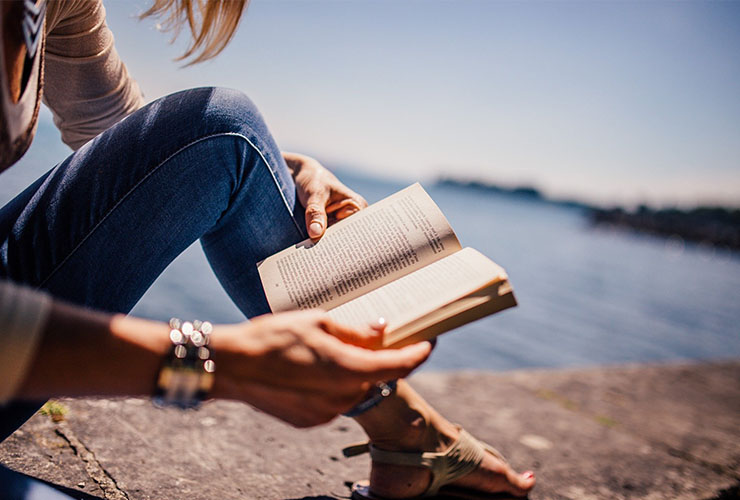
Above all, Italy has 7914 km of coasts and nearly all of them are open to bathing: you can find golden rough beaches, white refined sands, high rugged cliffs, shores of polished rocks. In addition to that, you can taste the sea in every possible manner: relaxing in a resort, dancing on the sand in an open-air club, exploring a wild bay after a rough hiking route, renting a boat to enjoy deep water diving, spending the day playing volleyball and drinking beer in a packed place.
Where to go for your Summer Holidays – Sea or Mountain?
Puglia and Sardegna are two of the best destinations in the world if you are a true sea lover, believe us!
A great indicator of the aquatic cleanliness is the Bandiera Blu (Blue Flag): a beach that gains a Blue Flag stand out for lack of pollution and infrastructures’ sustainability. Not surprisingly, Italy has more than 400 Blue Flag beaches!
For mountain enthusiasts, summer is equally special: Alps and Apennines are perfect locations for hikers and fresh air lovers. Nothing more fulfilling than a rich typical meal and a glass of wine after a draining trail among incredible sceneries!
In conclusion, it could sound like an oddity, but Italian people preferably don’t visit their most famous cities (Rome, Florence, Milan, Venice) during summer; if they can choose, they select another period of the year. As a result, those places seem totally conquered by tourists in July and August.
Summer words in Italian
Let’s see some useful summer words:
|
la spiaggia |
the beach | ||
|
il mare |
the sea | ||
|
la sabbia |
the sand | ||
|
la duna |
the dune | ||
|
la costa |
the coast | ||
|
lo scoglio |
the rock / the cliff | ||
|
l’onda |
the wave | ||
|
il tramonto |
the sunset | ||
|
il pesce |
the fish | ||
|
la medusa |
the jellyfish | ||
|
la conchiglia |
the shell | ||
|
lo stabilimento balneare |
the beach resort | ||
|
la barca |
the boat | ||
|
il traghetto |
the ferry | ||
|
il costume da bagno |
the swimsuit | ||
|
l’asciugamano |
the towel | ||
|
la maschera |
the diving mask | ||
|
le ciabatte |
the slippers | ||
|
l’abbronzatura |
the tan | ||
|
la discoteca |
the club | ||
|
gli occhiali da sole |
the sunglasses | ||
|
i cruciverba |
the crosswords | ||
|
i sandali |
the sandals | ||
|
la birra |
the beer | ||
|
il vino |
the wine | ||
|
il tuffo |
tuffarsi (reflexive form) |
the diving |
to dive |
|
noleggiare |
to rent | ||
|
nuotare |
to swim | ||
|
fare immersioni |
to practice scuba diving | ||
|
il beach volley |
the beach volley | ||
|
il calcio |
the football | ||
|
il bagnino |
the lifeguard | ||
|
il salvagente |
the life vest | ||
|
la corrente |
the stream | ||
|
il pedalò |
the paddle boat | ||
Fall in Italy – Autunno
Italian fall is gentle at the beginning and cold as winter in the end. Moreover, rainy and cloudy days are quite frequent, especially in the north, but not enough to ruin a beautiful holiday. In other words, Autumn is perfect to visit Italian cities, museums, and historical sites: the places aren’t stuffed of tourists like during summer and the weather is not so hot. Fall colors create a perfect match with ancient architectures and ruins, giving them a nostalgic and fascinating allure.
What to do in Italy in the Fall
In autumn you can use sunny days to walk around the streets, take photos and explore; when the rain is approaching, you have plenty of possibilities everywhere: museums, exhibitions, restaurants, café.
You can devote a day to culture, try some street food for lunch, and have a characteristic aperitivo before dinner.
Aperitivo is an Italian tradition: you can sit to a table with your friends, enjoy the view, and drink a tasty cocktail with plenty of appetizers and delicious snacks.
Florence, Rome, Milan, Venice, Naples, Palermo are widely known to be the maximum, but they’re not the only option: Italian medium-size cities and villages are equally wonderful.
Fall festivities in Italy
Ognissanti
The principal Autumn festivity is Ognissanti (1 of November): it’s effectively celebrated only in southern Italy, but in the rest of the Peninsula is only an appreciated day off at work. On the contrary, Halloween isn’t a traditional Italian festivity, although in recent years it has become popular among young people.
Food Festivals
In addition to that, the early fall calendar is full of little local events, often related to food and wine. On those occasions, the towns transform themselves in an open-air party, with long tables set across the streets, outside kitchens, home restaurants, musicians, juggling performances, etc. Those events usually revolve around typical gastronomic products: the mushroom festival, the chestnut festival, the boar meat festival, the tortello festival, etc.
Fall Vocabulary in Italian
And now, some fall vocabulary:
|
la foglia |
il fogliame |
the leaf |
the foliage |
|
il fungo |
the mushroom | ||
|
la castagna |
the chestnut | ||
|
la carne |
the meat | ||
|
il cinghiale |
the boar | ||
|
il tortello |
untranslatable: a particular type of stuffed pasta, slightly similar to dumplings | ||
|
le tagliatelle |
untranslatable: a particular type pasta | ||
|
marrone (adj.) |
brown | ||
|
giallo (adj.) |
yellow | ||
|
rosso (adj.) |
red | ||
|
l’uva |
the grapes | ||
|
la vendemmia |
the grape harvest | ||
|
la ghianda |
the acorn | ||
|
il pranzo |
the lunch | ||
|
l’amaro (a digestive alcoholic drink) |
the bitter | ||
|
Ognissanti |
All Saints’ Day | ||
|
la cena |
the dinner | ||
|
l’aperitivo |
the aperitif | ||
|
l’evento |
the event | ||
|
la fiera |
the fair | ||
|
il museo |
the museum | ||
|
il quadro |
the painting | ||
|
la mostra |
the exhibition | ||
|
la piazza |
the square | ||
|
il bar |
the café | ||
|
il caffè |
the coffee | ||
|
il ristorante |
the restaurant | ||
|
il cibo da strada |
the street food | ||
|
la sagra |
the village festival | ||
|
il giocoliere |
the juggler | ||
|
il musicista |
the musician | ||
|
il tavolo |
the table | ||
|
gli stuzzichini |
the snacks | ||
|
la cultura |
the culture | ||
|
l’architettura |
the architecture | ||